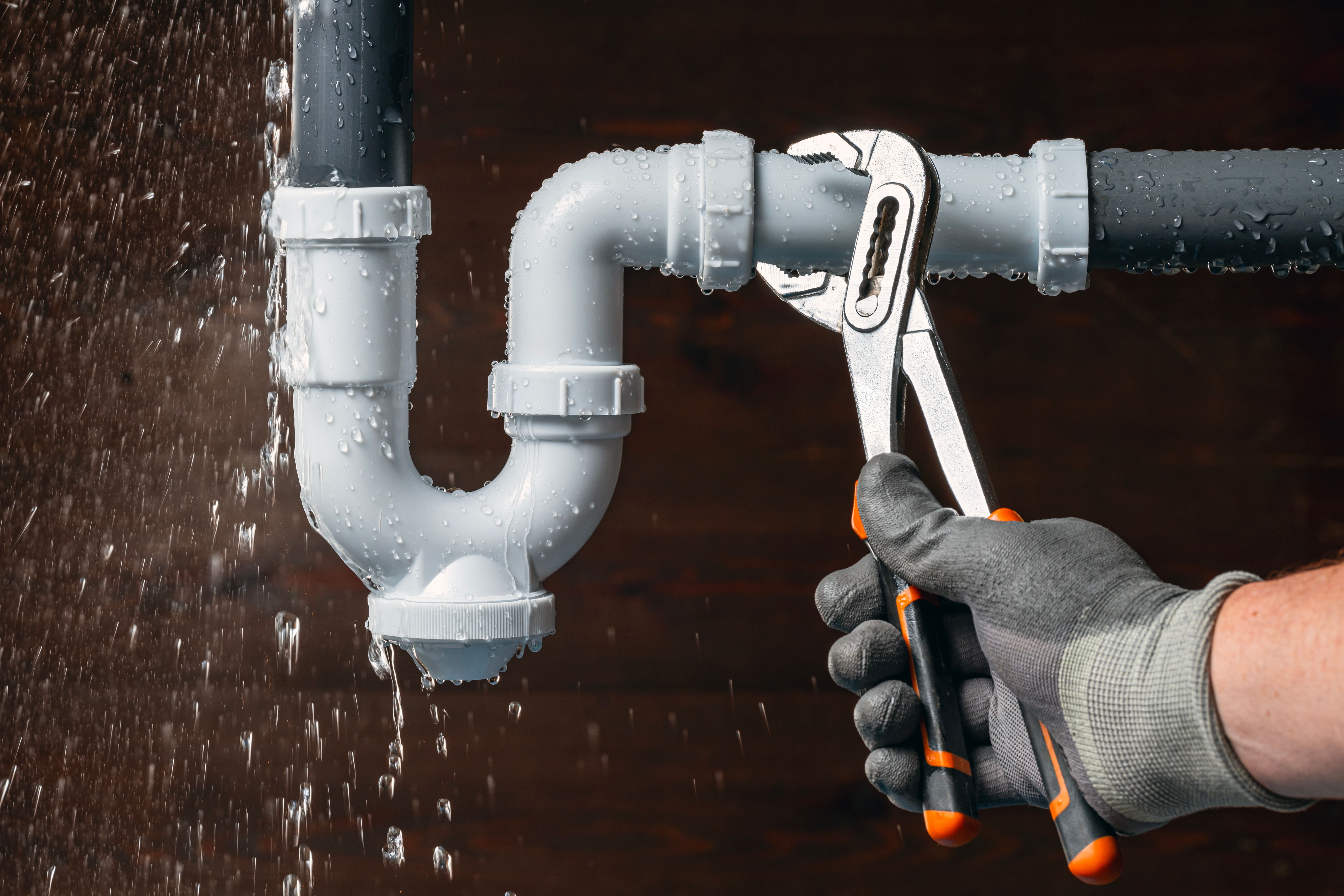
DIY Solutions for Common Plumbing Problems
HG
Unclogging a Stubborn Drain
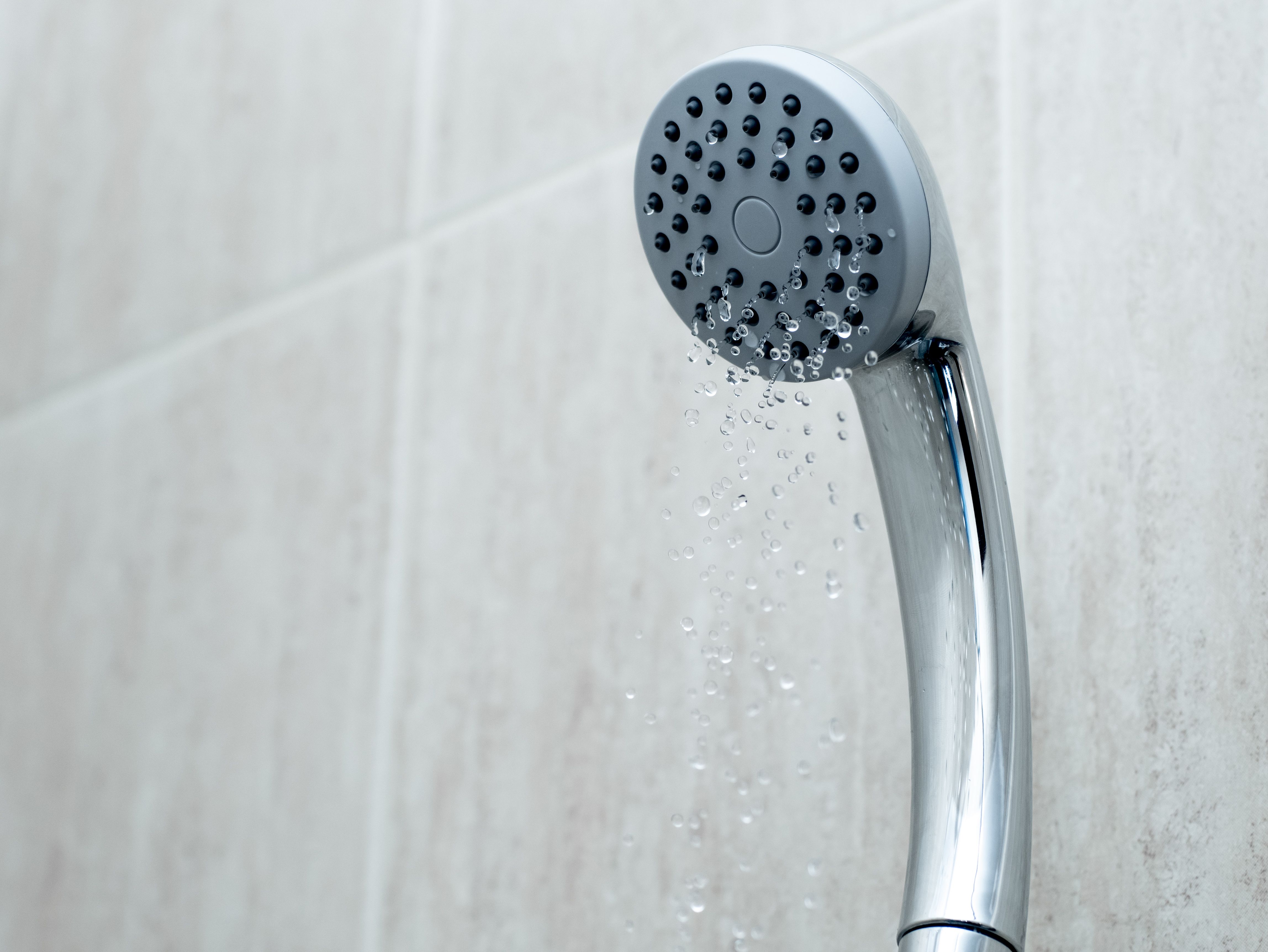
One of the most common plumbing problems is a clogged drain. Whether it's in the kitchen or bathroom, a blocked drain can be a real nuisance. Before calling a plumber, try using a plunger. Ensure there's enough water in the sink or tub to cover the plunger's cup, then create a seal and pump vigorously.
If the plunger doesn't work, consider using a mixture of baking soda and vinegar. Pour half a cup of baking soda followed by half a cup of vinegar down the drain. Cover it and let the mixture sit for 15-20 minutes, then flush with hot water. This natural solution can often dissolve minor clogs.
Fixing a Leaky Faucet
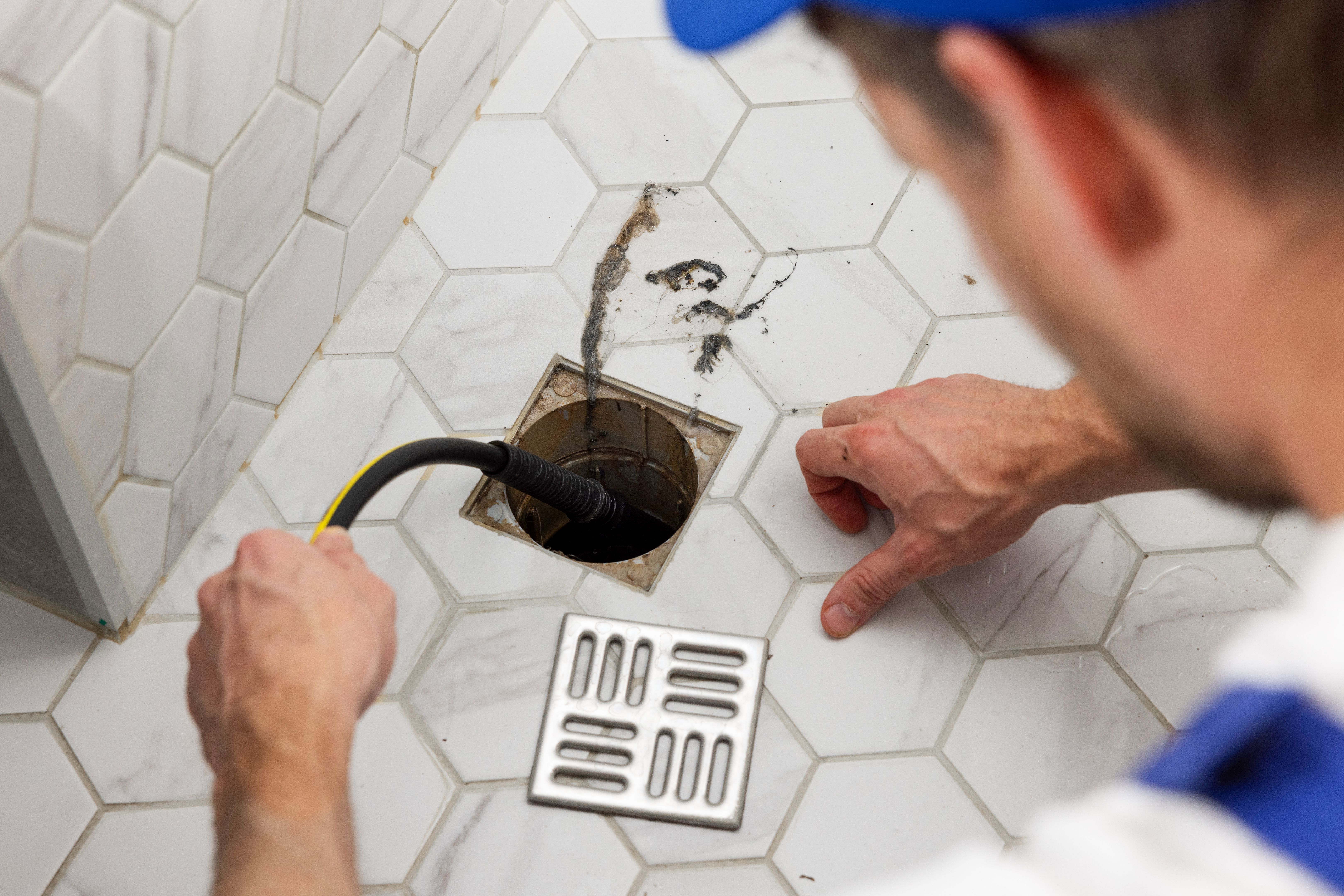
Leaky faucets can waste a significant amount of water and increase your utility bill. Most leaks are due to worn-out washers. To fix this, first turn off the water supply to the faucet. Then, disassemble the faucet to access the washer. Replace the old washer with a new one and reassemble the faucet.
In some cases, the issue might be with the O-rings or seals. Inspect these components and replace them if necessary. Regular maintenance can prevent leaks from occurring in the first place.
Resolving Low Water Pressure
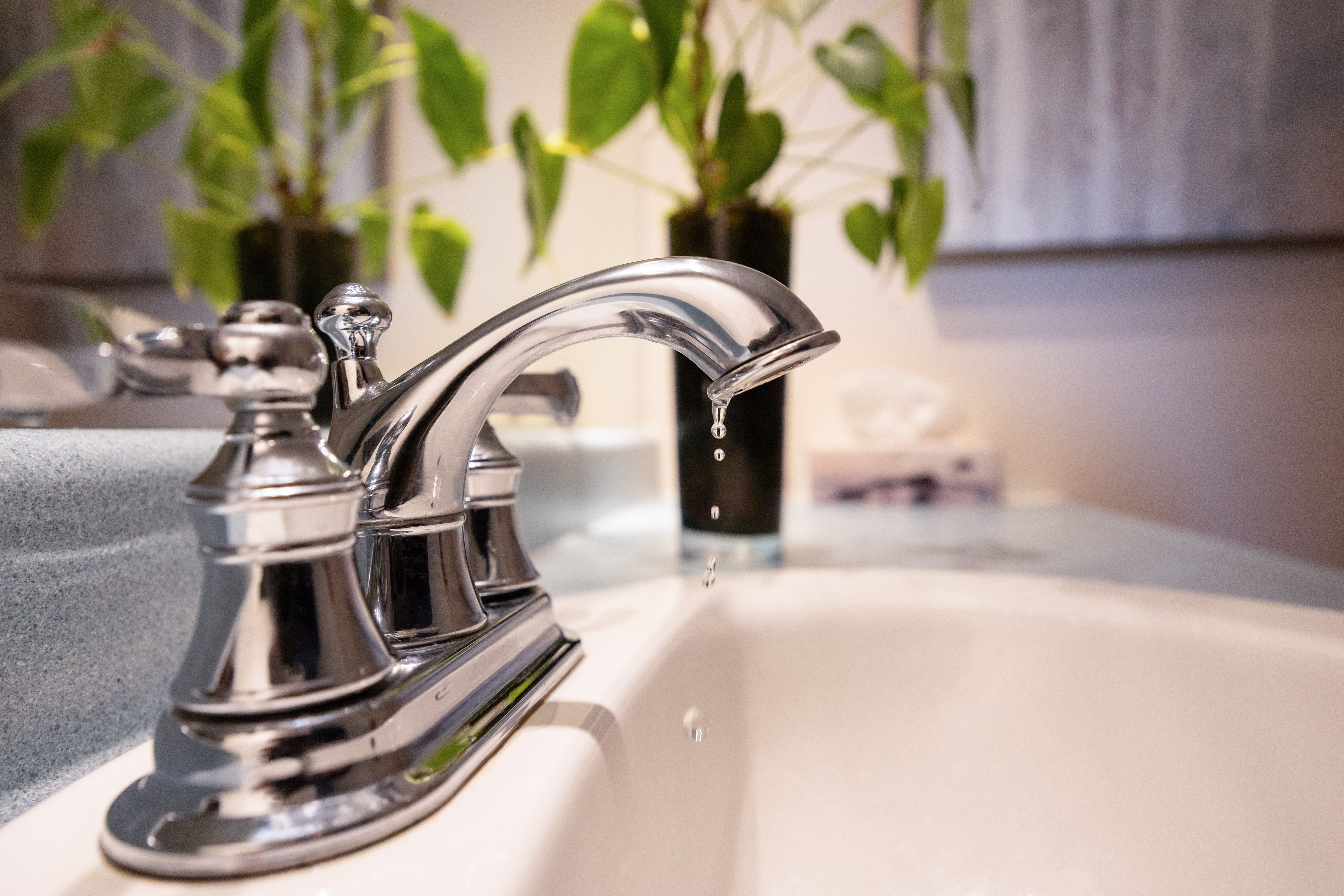
Low water pressure can be frustrating, especially during showers. Start by checking if the problem is isolated to one fixture. If so, the issue might be a clogged aerator. Remove the aerator, clean out any debris, and reattach it. This simple fix often restores pressure.
If the problem persists throughout the house, it could be due to a pressure-reducing valve or a more complex issue with the plumbing system. In such cases, consulting with a professional might be necessary.
Stopping a Running Toilet
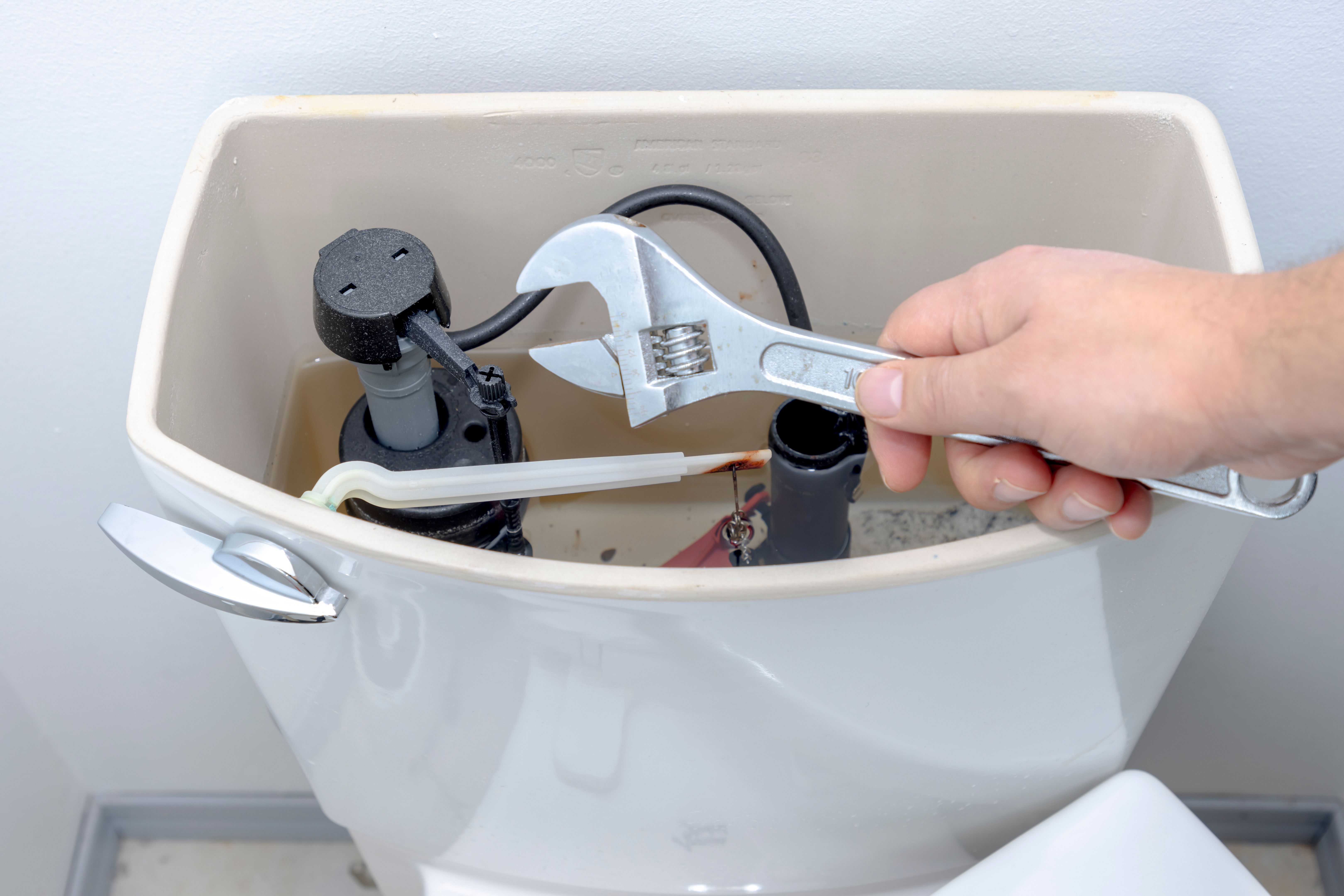
A running toilet can be an annoying and costly problem. The most common cause is a faulty flapper. Open the toilet tank and inspect the flapper. If it's worn or damaged, replace it with a new one.
Adjusting the float arm can also resolve the issue. If the water level is too high, bending the arm slightly downward can stop the toilet from running continuously.
Preventing Future Plumbing Issues
Routine maintenance is key to preventing plumbing problems. Regularly inspect your plumbing system for leaks, corrosion, or wear. Cleaning drains and fixtures can also prevent clogs and buildup.
Consider installing mesh screens or strainers in your sinks and tubs to catch debris before it enters the pipes. Such preventative measures can save time and money in the long run.