Understanding Ohio Plumbing Regulations: What Homeowners Need to Know
HG
Introduction to Ohio Plumbing Regulations
Understanding the plumbing regulations in Ohio is essential for homeowners looking to undertake renovations or repairs. These regulations help ensure safety, efficiency, and environmental responsibility. Being aware of these rules can save you time and money while avoiding potential legal issues.
Ohio's plumbing codes are designed to protect the health and safety of residents. They cover various aspects, including installation, maintenance, and repair of plumbing systems. Compliance with these regulations is crucial for any plumbing project.
Why Plumbing Codes Matter
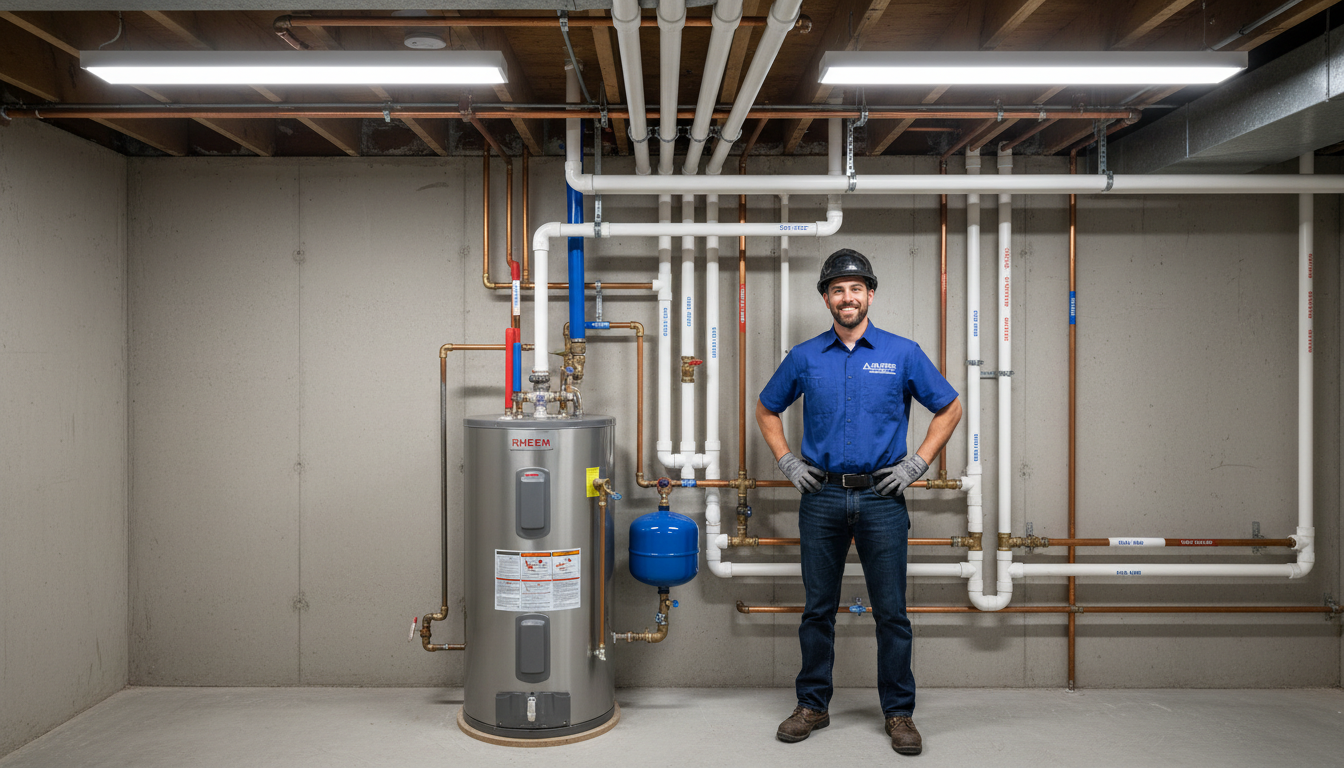
Plumbing codes are crucial for maintaining water quality and ensuring that plumbing systems are safe and reliable. In Ohio, the codes are aligned with national standards but may have specific local amendments. Understanding these can help prevent common pitfalls.
For instance, improper installation can lead to leaks, water contamination, or even structural damage. By adhering to the regulations, homeowners can avoid these risks and ensure their plumbing systems function correctly.
Key Plumbing Regulations in Ohio
Ohio's plumbing regulations cover a wide range of topics. Here are some key points homeowners should be aware of:
- Permits: Most plumbing work in Ohio requires a permit. This ensures the work meets state standards.
- Inspections: Post-installation inspections are mandatory. They verify that the plumbing work complies with the codes.
- Materials: Only approved materials should be used for plumbing installations to ensure safety and durability.
Working with Licensed Plumbers
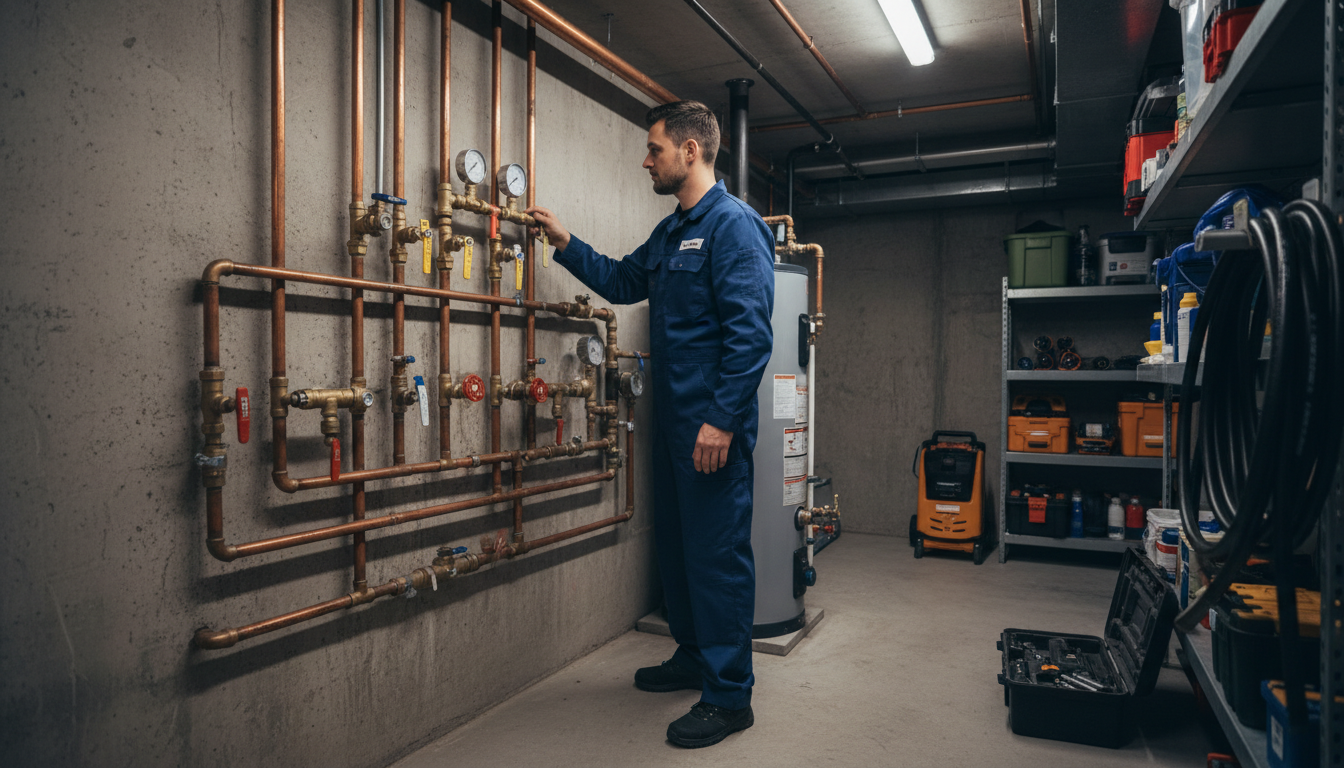
Hiring a licensed plumber is essential when dealing with plumbing projects. Licensed professionals are knowledgeable about Ohio's regulations and can navigate the complexities of the codes. They ensure that installations and repairs are compliant, reducing the risk of costly errors.
Homeowners should verify the credentials of any plumber they hire. This includes checking their license status and confirming their familiarity with local codes.
Common Compliance Challenges
Some common challenges homeowners face include misunderstandings about permit requirements and using non-compliant materials. To overcome these, homeowners should stay informed and seek professional guidance when needed.
Regular updates to the plumbing codes can also pose challenges. Staying current with changes ensures ongoing compliance and helps avoid penalties.
Conclusion: Staying Informed
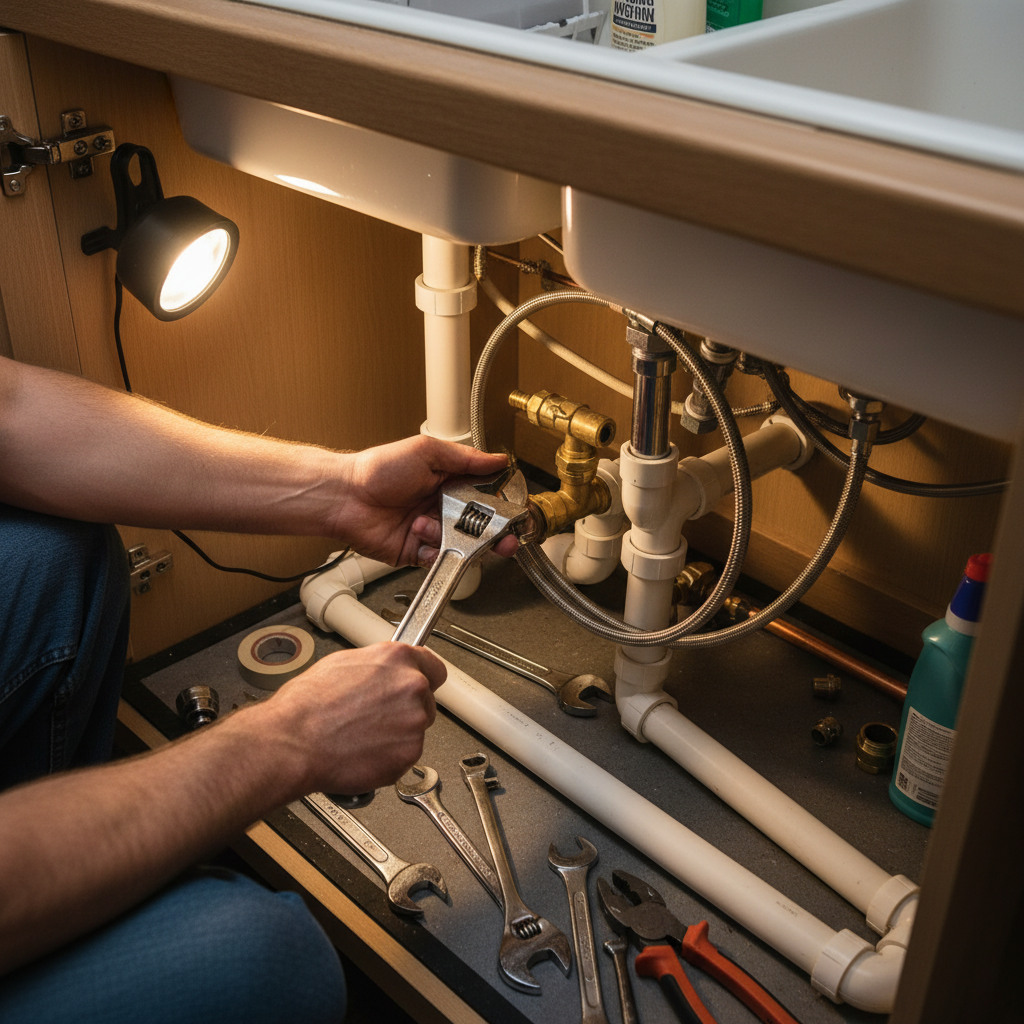
Understanding and complying with Ohio's plumbing regulations is essential for any homeowner undertaking plumbing work. By staying informed, hiring licensed professionals, and adhering to the codes, homeowners can ensure their plumbing systems are safe, efficient, and reliable.
For more detailed information, consider consulting the Ohio Department of Commerce or a licensed plumbing professional. Staying proactive can save you from potential headaches down the road.